Basement Waterproofing Hero

Waterproofing

Call to Book a Survey +448083018423  or Contact Us Online

Basement Waterproofing Specialists

Basement waterproofing is a reliable way of protecting below ground spaces like basements and cellars from water ingress, flooding and leaks, turning a damp space into a habitable living area.

Rentokil Property Care have been helping homeowners and commercial property owners convert unused damp basements into habitable living spaces for decades. Because these spaces are below ground level, they are subject to moisture ingress from floors, walls and even from above if the area is at risk of flooding or has a high water table. This makes it important to use a company with the right experience and knowledge to design a waterproofing system that will keep your property dry and protected.

Rentokil Property Care has a number of CSSW (Certificated Surveyor in Structural Waterproofing) qualified surveyors who will work with you to design a waterproofing system tailored to your needs, before our experienced technicians will carry out the installation process. Our waterproofing systems are designed to the industry standard for waterproofing, British Standard 8102.

Why Waterproof a Basement?

Many homes and properties across the country have unused or underutilised basements and cellars that can be turned into habitable living space, increasing the value of the property. Often basements are subject to leaks, damp patches, flooding and even mould growth. Carrying out basement waterproofing will prevent water ingress, and transform the below ground space.

Converting a basement can provide you with room for a home gym, an extra bedroom, a home office or even just extra storage, freeing up space elsewhere. They can add significant value to your property, making it a worthwhile investment, especially if you live somewhere where land is at a premium like in city centres.

Cellar

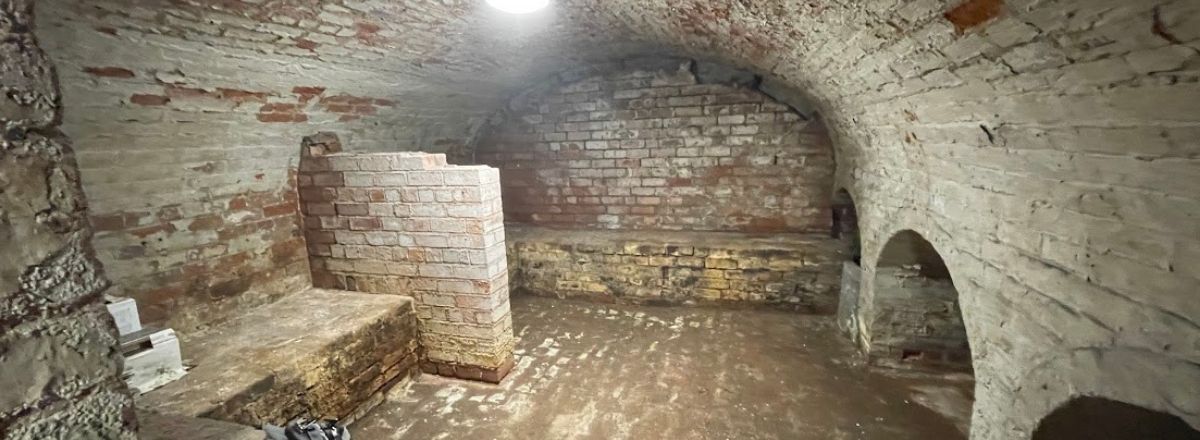
Basements, cellars and vaults can be converted into valuable living space, making waterproofing a worthwhile investment.

What is Structural Waterproofing?

Structural waterproofing is a common technique used to stop lateral penetrating damp from high ground levels. Many properties across the UK have earth retaining walls, and to prevent moisture migrating from the outside into the property, waterproofing is required.

Any building that has walls or floors below external ground levels may require structural waterproofing to create a long term water-tight environment. It is often used for commercial purposes to prevent moisture ingress from other areas that may be affected by moisture ingress like lift pits, podium decks, car parks and garages.

Waterproofing can be achieved in many different ways, but all designs should follow the guidance of British Standard 8102, the industry standard for designing and installing waterproofing systems. While the term damp proofing refers to moisture ingress above ground level, where the building’s damp proof course is installed, structural waterproofing will deal with issues such as hydrostatic pressure and lateral damp penetration.

Choosing the Right Waterproofing System

If you are considering basement waterproofing, it is important to use a company who will design and install the system to British Standard 8102 standards. Given that basements are susceptible to a lot of hydrostatic pressure from water built up in the surrounding ground and earth, it is no surprise that this pressure can lead to cracks, leakage, and damp problems. Applying the correct waterproofing solution will stop this water from getting into your basement.

BS 8102 provides guidance in methods of dealing with and preventing the entry of water from surrounding ground into a below ground space, by using different types of waterproofing, depending on the nature of the property in question.

For a below ground space to be regarded as ‘secure’ from water ingress, it will likely require two forms of waterproofing depending on risk and end use. This is why it is important to carry out a comprehensive waterproofing survey to fully understand the requirements of the property, and design a system fit for purpose.

Benefits of a Waterproofing Survey

A CSSW qualified surveyor will take time to inspect both the outside and inside of your property, and provide you with a detailed survey report outlining their findings and recommendations.

First they will take steps to understand the external factors impacting the below ground space, including checks to the condition of the property and any evidence of problems that may cause dampness. The surveyor will look into factors such as geology, hydrogeology and topography as well as high water tables and the risks of flooding.

They will then check the below ground space, assessing historic water levels, signs of moisture ingress and the drainage options. They will inspect any existing waterproofing systems, and the condition of walls, floors and ventilation. All their findings will be provided in a written survey report which will detail recommendations for a basement waterproofing system, designed to BS8102. This system will protect your basement from water ingress, and may be made up of a combination of Type A (barrier protection), Type B (structurally integral) and Type C (cavity drained) waterproofing methods.

If you choose to go ahead with the design detailed in the survey report, trained and experienced technicians from your local branch will carry out the waterproofing installation.

The survey report will also provide details of the waterproofing guarantee if applicable. Typically basement waterproofing designs to BS 8102 standard are backed by a 10 year guarantee. 

Techniques for Basements Waterproofing

BS8102 states that a domestic basement conversion used for habitable living space should be Grade 3 - meaning that no moisture ingress is permitted into the internal space, this is further backed up by the need for heating and ventilation.

Because this level of protection is required, the waterproofing design by a CSSW qualified surveyor would usually include a combination of at least two of the types of waterproofing systems to lower risk. This will be specifically tailored to your property, providing you with the ultimate level of protection for a dry and habitable space.

There are three main types of waterproofing systems, with their own benefits and applications. Two or more systems can be combined to meet the requirements of BS 8102. Whether you are at the design stage with an architect, or require a survey of an existing basement or structure, our local waterproofing team is here to help you from start to finish.

Different Types of Waterproofing

There are different techniques to waterproof a below ground space which are generally categorised as Type A (barrier protection), Type B (structurally integral)  and Type C (cavity drainage systems).

In order to meet the rigorous BS 8102 standards, two or more systems can be combined to achieve the desired grade of waterproofing for habitable living.

How to Waterproof a Basement

The type of waterproofing required will depend on the structure in question - a CSSW qualified surveyor will be able to discuss with you options during a waterproofing survey. The most common combination for waterproofing an existing domestic basement is a Type A internal tanking system to limit and slow water ingress partnered with a Type C cavity drainage membrane system to remove any remaining ingress.

Rentokil Property Care trained technicians will be able to install a system specifically designed for your basement, meaning you are in safe hands from start to finish.

During the installation process any plaster or renders, and deteriorating mortar will need to be replaced to create a flush bond with the masonry walls. Basements that require drainage channels as part of a Type C waterproofing system will need these to be installed into the floor slab around the perimeter - so these will need to be cut out, or a new slab incorporating channels will be installed.

Type A waterproofing can be applied directly to walls and floors. Type C membranes will then be expertly measured to fit and applied before joints are sealed with butyl tape. Cavity membranes can easily be plastered over ready for decorating. Floors can be installed with either a concrete screed or a chipboard flooring, laid directly onto the membrane.

Where required, ventilation and heating may need to be improved in the below ground space. The surveyor will provide details of this in the survey report. Throughout the process it is imperative that the waterproofing is installed correctly, as one mistake and the system could fail, leading to a system failure and moisture ingress.

Because of this, Rentokil Property care installations are supported by our quality assurance process ensuring checks are conducted throughout the installation and signed off by the lead technician.

The CSSW qualified surveyor who designed the system being installed will also be responsible for quality assurance checks throughout installation, and a final sign off process in order to ensure our exceptionally high standards are met. We work closely with industry experts and basement waterproofing manufacturers, and are approved installers of Delta, Koster, Newton and Safeguard waterproofing products. Our surveyors and technicians complete rigorous in-house and onsite training in order to be able to qualify as a trusted partner. All products we use for basement waterproofing undergo an extensive testing process by the manufacturers to attain BBA/BDA certification.

Why Choose Rentokil Property Care for Basement Waterproofing?

  • Rentokil Property Care have CSSW qualified surveyors working out of our network of branches across the UK, meaning we have a waterproofing expert local to you. We can work with homeowners, architects, contractors and commercial partners to design a basement waterproofing system to suit your project.
  • Rentokil Property Care are approved installers of Delta, Koster, Safeguard and Newton waterproofing products.
  • A Rentokil Property Care basement system designed to BS8102 standard comes with a 10-year guarantee - giving you long term protection and peace of mind.
  • We are proud members of the Property Care Association (PCA). When you work with us you can be assured that you’re getting professional and honest advice, and treatments following the industry best practice.
  • Our damp proofing, structural repairs and timber treatments are rated ‘Excellent’ with over 1,000 reviews from our customers - showcasing our professionalism.
  • We are endorsed by Which? Trusted Trader - meaning our customer service and workmanship has passed the rigorous trading standards assessments.

Basement Waterproofing FAQs:


  • What is the best method of waterproofing a basement?

    The best method of waterproofing depends on the structure involved. Type A tanking and Type C drainage membrane systems are seen as versatile options and are usually used for basement waterproofing in existing structures.


  • Can I waterproof my basement myself?

    While it is possible to waterproof your own basement or cellar, there are risks associated with this. Incorrectly installed waterproofing systems can fail and lead to moisture ingress, destroying stored goods and furnishings within the basement. 

    You must also take into account factors such as hydrostatic pressure which can cause structural damage to walls and floors if ignored. For a dry habitable space, BS8102 recommends using a combination of two waterproofing systems where risks are deemed high, which a CSSW qualified surveyor will be able to assist with.


  • Is tanking a cellar a good idea?

    This will depend on what you wish to use the space for, and your requirements. If you wish to create a dry and habitable space then tanking and waterproofing a cellar is a good option, as it will add living space and increase the property's value.
    It all starts with an in depth survey conducted by a trained and qualified surveyor who can assess the issues and provide robust recommendations based on your requirements for the space in question.


  • How do you permanently waterproof a basement?

    The first point to consider is the end use of the space in question, and then the type of structure involved. A site survey is carried out to determine the risks with regards to water tables, topography, surface water flooding and past history. 

    It is only then that as trained waterproofing experts we would consider the best design for the proposed waterproofing system, typically using a combination of Type A barrier protection, Type B structural integral waterproofing or a Type C cavity drainage system.

    You can rest assured that the system proposed will be fit for purpose based on all the above considerations.


  • How much does it cost to waterproof a basement?

    This is very subjective as it all depends on the size of the space in question, its construction, the proposed end use and the type of waterproofing system required to achieve the required grade of waterproofing as defined in BS8102. The only way of providing a costing is for an initial appraisal to be undertaken by one of our local trained and competent CSSW surveyors who can guide you through what is required and provide a detailed survey report with the costs.


  • How long does a basement waterproofing system last?

    Rentokil Property Care provides a 10 year guarantee for waterproofing works that comply with BS8102, however in reality the system will last much longer with regular maintenance.