
Call us for a quote on 0808 163 1487
Fleas
Fleas are small, wingless, and highly specialised parasitic insects that feed on the blood of mammals and birds. There are over 2,500 species worldwide, but the most common one you'll encounter is the cat flea (Ctenocephalides felis), which, despite the name, is perfectly happy to bite dogs and people too.
Fleas are a common problem in UK homes, especially for those with cats and dogs. You may discover a problem with fleas even if you do not have pets, if previous owners of your property kept cats or dogs. Fleas can also be carried on other (especially hairy) animals like rabbits, foxes, squirrels, rats, mice and livestock such as pigs.
As parasites, the greatest concern about the presence of fleas in your home or business comes from flea bites. Although these are not painful, they can result in an uncomfortable itch or reactive rash. Your pets could also develop allergies to the flea saliva.
Do you have a flea infestation in your premises?
At Rentokil, we offer safe, effective treatments for your home or business to ensure complete control of your flea infestation. Our professional flea treatment is a fast and effective way to get rid of fleas and prevent their return. Our expert technicians use targeted solutions that address fleas at every lifecycle stage (eggs, larvae, and adults) to ensure thorough elimination. With years of experience in pest control, we are committed to protecting your property and delivering reliable results you can trust.





Solutions for Fleas
Effective solutions to treat Flea problems
Can fleas get into the house if I have no pet?
It is frustrating, but yes, you can absolutely have a flea infestation without owning a single pet. Fleas are opportunistic parasites; while they prefer dogs and cats, they are perfectly happy to use humans as a temporary "snack" or travel agent. If you have no pets, the fleas likely got in through one of these four methods:
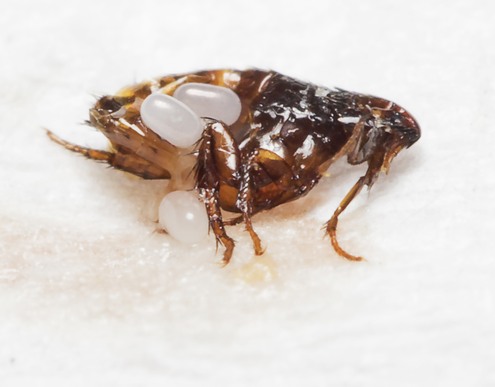
Previous Owners Pets
This is the most common reason for people moving into a new premises.
- The Dormant Cocoon: Flea pupae (the cocoon stage) can remain dormant for up to 9 months. They are encased in a sticky, protective shell that is resistant to many household cleaners.
- The Wake-up Call: They hatch when they sense vibrations, heat, or carbon dioxide. When you move in and start walking across the floors, you are essentially "waking up" hundreds of sleeping fleas that were left behind by the previous tenant's pets.
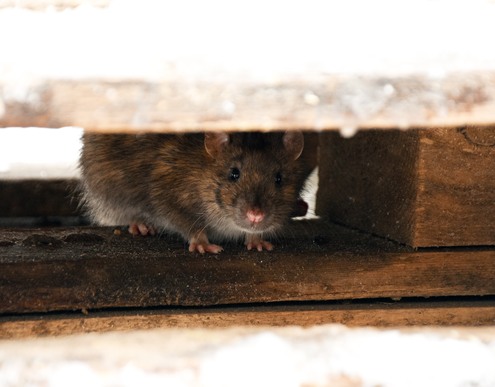
Wildlife in your home
If you have a sudden influx of fleas, you might actually have a wildlife or rodent problem.
- Attics and Crawlspaces: Mice, rats, squirrels, or birds living in your walls, attic, or under your porch carry their own fleas.
- The Host Swap: If a rodent dies or moves out of your attic, its fleas will immediately go looking for the next warm body. Since there is no dog or cat, they will head toward the living areas of your house to find you.

You picked up a Hitchhiker
You can be the inadvertent bridge between the outdoors and your living room. If you visit a friend with a flea problem or sit on a park bench where an infested stray cat recently napped, you can unknowingly, bring an adult flea home on your clothing.
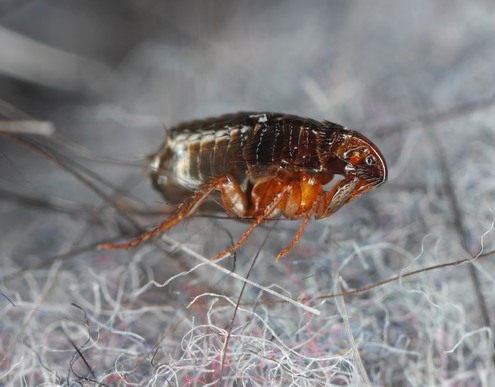
Neighbours in Close Quarters
In apartment buildings, flats or terraced housing, fleas can travel through:
- Shared Walls: They can crawl through small gaps around pipes, electrical wiring, or under baseboards.
- Shared Carpets: If a neighbour's pet has fleas and they walk through the hallway, eggs can drop off their pet and hatch, eventually jumping into your unit as you walk past.
Flea Species & Guides
Small and flightless insects, Fleas are external parasites that need a blood feed to lay eggs. The main flea species in the UK that can cause problems (even if you don't have pets) are Dog and Cat Fleas. Learn more about fleas appearances, lifecycles and behaviours.


Find your local branch
Please try again...Rentokil’s Flea Treatments
Although fleas do not have wings, they have incredibly powerful, elongated legs that allow them to jump long distances and move easily between you, your pets, and soft furnishings, leaving behind uncomfortable, itchy flea bites. Therefore, successful flea control always requires treatment of both your property and your pets, ensuring every stage of the flea life cycle is addressed.
At Rentokil, we offer safe and highly effective treatments that are designed to eliminate fleas from your home or business, making sure the infestation does not return. Our technicians are highly trained and professionally qualified, with credentials recognised by the pest control industry, BPCA and NPTA. They use their expert knowledge of flea species and their habits to provide targeted and reliable treatments. Moreover, we carefully assess areas where fleas may hide, such as carpets, rugs, and pet bedding, and select the most appropriate solutions to ensure total eradication of all fleas present. With Rentokil’s professional approach, you benefit from thorough protection for your family, pets, customers and staff, as well as peace of mind that your environment is healthy and comfortable again.
FAQs: Fleas and flea control
-
What is the main cause of fleas?
What are the likely causes of a flea infestation? Fleas can jump onto your pet's fur from other pets, other wildlife (especially hairy animals) like rabbits, foxes, squirrels, rats, mice and livestock such as pigs or from vegetation outside.
-
What are fleas attracted to?
Emerging adult fleas immediately seek a blood meal, as they must feed within weeks to prevent starvation. Combinations of stimuli help the accuracy of host detection for fleas. They are attracted to body heat, vibrations, carbon dioxide produced by warm-blooded mammals, movement in air currents and shadows cast by a potential hosts as they pass. Fleas will jump in the direction of the perceived shadow. Fleas also often stay on the underbelly of animals, so are easily transferred to your carpets, rugs or soft furnishings when your pet lies down.
-
Can fleas go away on their own?
It is important to understand this, no, fleas will not go away on their own. Once fleas find a host, they stay there for the remainder of their life, only searching for another host if they are dislodged. The flea’s eggs will drop from the host animal onto surfaces when they rest (carpets, rugs, pet bedding, sofas) and the larvae develop into adults in cocoons, emerging to find a host to feed on and start the egg laying process all over again. A flea’s lifecycle can be anything from two weeks to about eight months. Once they’ve arrived fleas will not just disappear, you will need to treat your pets and your home to break the fleas lifecycle.
DIY Products
DIY Flea products are most useful when dealing with a small infestation. Use our flea powders and sprays on surfaces where fleas are present, such as carpets, soft furnishings and pet bedding. If your flea problem spreads or is reoccurring you'll need professional flea control treatments to eliminate the problem.


