
Call to Book a Survey +448083018423 or Contact Us Online
Condensation
Condensation is the most common form of damp in properties across the United Kingdom, and can lead to issues such as damp walls, steamed up windows, peeling wallpaper, mould growth and unhealthy living conditions for occupants.
We have put together a helpful guide on how to spot the early signs of a condensation problem, and how to prevent the problem from getting worse, especially during the colder months. While there are active steps you can take to prevent condensation and mould growth in your property, sometimes professional help is required.
Rentokil Property Care are experts in damp and condensation solutions, and have been offering professional damp and timber surveys for decades. We provide help to homeowners, social housing providers and commercial clients across the country with solutions for condensation issues.
What is Condensation?
Condensation is the process by which water vapour in the air changes into liquid water, usually when it comes into contact with a cold surface. This is often visible as water droplets on cold surfaces such as windows, glass mirrors and cold walls.The point at which condensation forms on a cold surface is known as ‘dew point.’
Condensation occurs in properties that have high levels of humid air trapped inside, as there is not enough ventilation to allow it to escape. This means that the trapped moisture created from activities like cooking and cleaning will condense on cold surfaces as the air becomes saturated with moisture and reaches ‘dew point’.
An average family of four can generate approximately 24 pints (14 litres) of water a day, and if that moisture cannot escape it will condense on cold surfaces throughout a property. Over time this moisture will form on walls, windows and in areas with a lack of air circulation, leading to mould growth.
What is the Dew Point?
The dew point is the temperature at which moisture in the air will start to form as a liquid. This means that if surfaces in a property are at dew point it will cause moisture in the air to form as liquid water on them, and this is known as condensation.
During British winters surfaces such as windows and external walls will drop in temperature, while ventilation is reduced as windows are closed. This means that there is a disparity in temperature between the warm moisture laden air and cold surfaces. This will cause the excess moisture trapped inside the property to condense on these cold surfaces, causing windows to steam up and run with beads of water.
What Causes Condensation?
Condensation is far more common during the colder months (usually between October and April) as temperatures outside drop and as natural ventilation from open windows is reduced to keep warmth inside a property. It is caused when there is excess moisture in the air inside which comes into contact with cold surfaces which are below dew point, meaning that condensation forms.
Excessive amounts of moisture in the air must be addressed, while understanding why surfaces are cold, and how to deal with them. Moisture is produced from every day activities like cooking, washing, bathing or even just breathing, which are an essential part of life within a home.
What needs to be in place is improved air circulation and ventilation to help remove some of the excess moisture from the atmosphere, so it can be prevented from condensing inside the property. Walls that suffer from constant condensation problems may need improvements to their thermal properties, while improving insulation and double glazing may also help reduce cold spots.
Sometimes a condensation problem can be solved by every day changes, such as opening windows and doors, boiling water with pan lids on, and making sure extractor fans are used when cooking and cleaning. If this does not help, and you notice signs of mould growth, musty smells and damp patches you may require professional solutions.
What does Condensation look like?
Condensation is most likely to occur and be visible during the colder winter months, when ventilation is reduced to help keep heat in and to prevent draughts.
The most obvious sign of a condensation problem is windows steaming up and water beads forming on and around window frames. Over time you may start to notice black mould forming, and if the problem worsens then it may indicate a condensation problem in your property because of trapped moisture. You may also notice condensation forming in other areas of your home, indicating a more serious problem.
Beads of water forming in areas such as bathrooms, kitchens and bedrooms are a sign of an imbalance, while the problem may be noticeable in areas with a lack of air flow, such as behind furniture pushed up against a wall, behind long curtains or in bay windows. Often the worst affected areas of a property are north facing walls and rooms which receive less sunlight, so are usually colder than the rest of the property.
Black mould is the biggest sign that there is a condensation problem in your property - and steps must be taken to remove moisture while improvements to thermal efficiency should be made.
Common signs of condensation include:
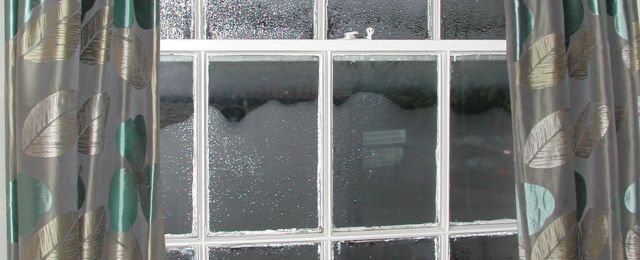
Condensation on Windows
For many homes condensation on windows is a common occurrence during the colder months, as windows steam up and beads of moisture form and collect on window sills. Sometimes black mould may appear if the excess moisture is not addressed.
It occurs because the temperature of a property drops over night, and the air is no longer able to hold as much moisture, so it condenses on cold surfaces - like windows. The problem will be worse in rooms where there are higher levels of humidity such as kitchens, bedrooms and bathrooms, and even rooms being used to dry clothes.
The answer to prevent this issue is improved ventilation. Make sure window trickle vents are open and functioning, and regularly wipe away the moisture on the windows and wring out the collected water down the sink. Upgrading to double-glazed windows can also help reduce condensation forming, but will not address the existing excess moisture in the property and will reduce ventilation unless trickle vents are used.
Damp Patches on Walls and Ceilings
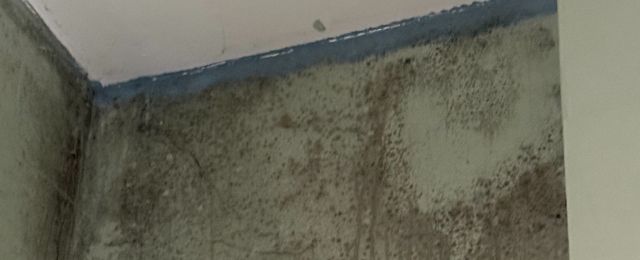
Damp patches behind large furniture, headboards, in the corners of rooms or on north facing external walls indicate a more serious condensation issue. Moisture in the atmosphere will condense on the coldest surfaces, meaning these areas are the coldest surfaces in the property. Bay windows often suffer from condensation as they project forward from a property and therefore cool easily.
Sometimes damp patches can be caused by leaking pipes, penetrating damp from building defects or from a failed damp proof course causing rising damp. Accurate identification is required before any form of treatment should be carried out.
Water Forming on Surfaces
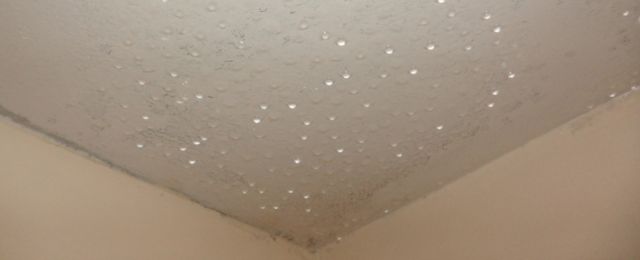
When water droplets form on surfaces there is a severe lack of ventilation inside the property. While more common on windows, if water beads are forming on walls, ceilings, inside the loft or under the floors of the property, there is a much wider problem.
The trapped moisture is unable to escape, and is condensing on cold surfaces, so you may require improvements to the thermal properties of walls, while increasing the ventilation and air flow in the affected area.
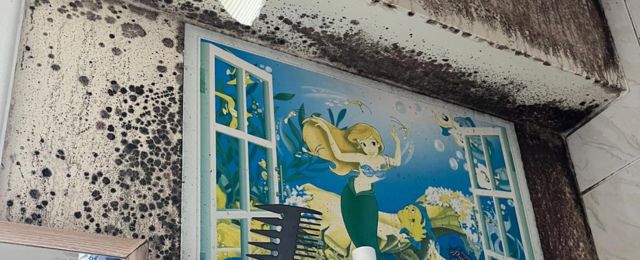
Black Mould Growth
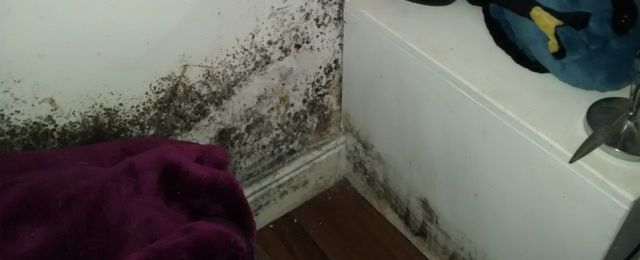
Black mould is the most concerning sign of a condensation problem as surfaces are so saturated with moisture that mould spores can germinate. This can occur on walls, window frames, plasterwork and ceilings, leading to dark patches and stains. Black mould causes an unpleasant living environment for occupants, and can lead to health issues, meaning it should be dealt with as soon as possible. Not all mould is black, it can also be green, brown, red, yellow, grey or white.
Mould can be caused by penetrating damp if the surface becomes a cold bridge, but is more commonly associated with condensation.
Damp and Musty Smells
When exposed to damp and mould growth, you may notice musty and stale smells in your property. It can cause clothes and furnishings to smell similar to damp laundry. Addressing the excess moisture in the air by increasing air circulation will help prevent bad smells.
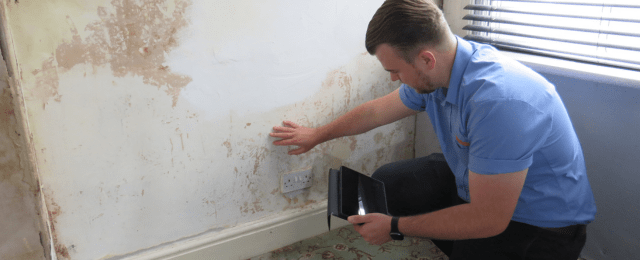
Cold Walls
When walls are cold to the touch they can be prime locations for condensation and mould to form. The most commonly affected areas of a property are north facing external walls, especially those near areas where moisture is produced, like kitchens and bathrooms. The moisture laden air will circulate to cold spots, and condense in these areas.
Improvements to the thermal efficiency of the wall may be required to prevent this from happening, as addressing cold bridging can create a more comfortable internal environment.
Damage to Leather, Clothes and Stored Items
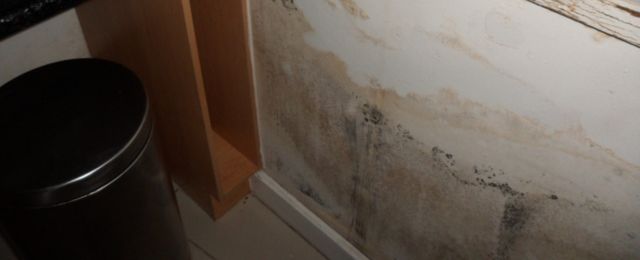
Moisture can condense on any cold surfaces, meaning damage to clothes and other items which are stored in cupboards and built in wardrobes against cold walls. Mould grows on leather at much lower moisture levels than on walls, so this can be an early indicator of issues building up.
Rotten Timber
In severe cases moisture can form on walls and run down the surface, collecting on skirting boards, while moisture may collect on window sills. Over time this can lead to fungal decay which will cause timber to lose its structural integrity. This can also occur under sub-floors, and in lofts, where moisture is trapped by lack of ventilation and condensation can form directly on the timbers.
How to get Rid of Condensation
Condensation is different in every property, so for some, only minor changes to everyday living may be required, while for others specialist treatments are required.
The first course of action is to take active steps to reduce the amount of moisture in the air and increase ventilation. But if the problem persists you may require professional help in the form of a damp and timber survey to fully understand the moisture dynamics of your property.
Reduce Moisture
The first step you need to take is to reduce the amount of moisture produced inside your home. This means taking steps such as cooking with lids on pans, always using extractor fans when cooking or cleaning, and keeping doors closed so moisture can't spread throughout your property.
Dry clothes outside and not on radiators. If this is not possible try to dry clothes in one room with the door closed and window open, so the moisture can escape. Another option is to dry clothes in a bathroom with the extractor fan running.
By being more aware of the moisture you’re producing you may notice the problem go away over time.
Increase Ventilation
By increasing the ventilation in your property you are allowing the excess moisture to escape. Moisture in the atmosphere from cooking and cleaning can therefore be removed, rather than condensing on cold surfaces around your property.
All areas where moisture is produced should have adequate ventilation, typically in the form of extractor fans. Make sure that these are used at all times when cooking, cleaning and bathing, while keeping the doors closed so moisture does not escape around your property. Sometimes you will notice condensation and mould growth in bedrooms because of the moisture produced in the ensuite when doors are left open.
Vents should be left open, even during winter, while trickle vents are also useful to improve ventilation. Some properties with a severe condensation problem and a lack of ventilation may benefit from Positive input ventilation (PIV) units, which improve air quality by forcing moist air out through slight positive pressure input. These units will provide a constant stream of fresh, filtered and tempered air from either the loft unit or wall mounted unit, which dilutes and displaces the stale static air inside a property.
Dehumidifiers are an option some turn to in winter to reduce the amount of humidity in a property, but these will not prevent the root cause of the problem. For a long term solution you may require more permanent improvements to ventilation. It may seem counterintuitive to increase ventilation in winter when you want to keep the warmth in, but condensation and mould are caused by trapped moisture, which can lead to costly damage to walls, furnishings, clothes and an unpleasant internal environment.
Increase Airflow Around the Property
Increase the airflow around your home to prevent condensation and mould appearing on surfaces. This can be achieved by moving large furniture like wardrobes, sofas and bedframes away from the wall to increase airflow against the wall, which will prevent stagnant air from forming.
Make sure that wardrobes and cupboards have ventilation to prevent mould forming inside, this can be done by drilling ventilation holes or leaving the door ajar. If left, mould can ruin stored goods, especially when storage areas are over filled. When in use, make sure to close kitchen and bathroom doors to prevent moisture circulating into other rooms.
Heating your Home
As air rises in temperature, it is able to hold more moisture. This means when the heating in a property is turned off, the temperature drops and it can no longer hold this moisture. This causes it to condense on cold surfaces like windows and walls. This is one of the reasons condensation forms at night, particularly in bedrooms.
If possible, try to heat your property at a constant temperature rather than hot and cold cycles, as this will help prevent condensation forming.
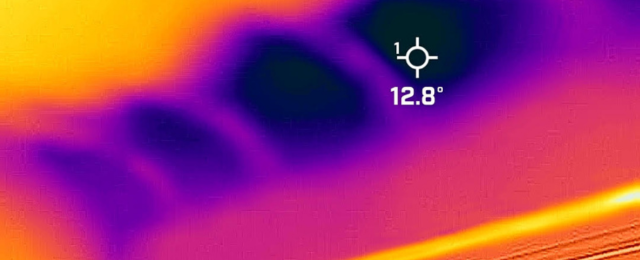
Thermal imaging cameras provide a visual representation of cold spots in a property. The darker the colour, the colder the surface, indicating a potential area of concern for condensation to form. In this case there is missing insulation.
Thermal Improvements and Insulation
When surfaces are cold, they can become ‘hot spots’ for condensation. A warmer house with increased thermal efficiency helps increase the temperature, while removing cold spots. Carrying out specialist improvements can help keep your home warm and you will have lower energy bills as a result.
Condensation and mould growth will often form on ceilings when there is a lack of insulation in the loft space above and this causes a cold bridge. Loft insulation may need to be topped up to recommended levels, which will then be an effective way to stop the heat from escaping your home while preventing mould growth on ceilings.
Thermal plastering can be used on properties constructed with solid walls, which increases the thermal properties of the wall, helping to reduce energy bills while removing the cold spot where condensation is forming. Specially designed reveal tiles allow the system to be installed with minimal impact on window reveals, coverings and behind radiators.
Anti-Condensation Paint can also be a useful tool for isolated areas of mould growth, particularly in areas that cannot be insulated in other ways. They create a thermal barrier between the cold surface and the warm moist air inside a home as the product utilises hollow glass beads. When incorporated into paint they help create a thermal barrier between cold surfaces and the warm air inside the home. This prevents condensation and mould growth from forming.
Condensation in Lofts
Condensation will sometimes occur in loft spaces and attics, as humid air in the home rises into a cold loft. The air is then trapped and condenses on cold surfaces, especially if insulation has been installed incorrectly and blocks the eaves ventilation.
It's key to make sure that there is enough ventilation in the loft space to allow for moisture to escape. This is done by making sure that soffit vents are clear and by installing ridge vents that allow for further ventilation.
Condensation in Sub Floor Voids
Sub floor voids are other spaces where humid air can become trapped, leading to condensation forming on cold surfaces such as timber joists and floorboards. This is a particular concern as it can lead to issues such as wet rot and dry rot. The source of moisture should be addressed and ventilation and airflow increased, typically through air bricks.
Condensation Surveys
If you are concerned about a condensation problem in your property, and attempts to improve ventilation and reduce the amount of moisture have not worked, you may require professional assistance.
Rentokil Property Care will be able to provide you with a damp and timber survey, giving you the peace of mind that comes with a professional inspection of your property. Our CSRT and CSTDB qualified surveyor will take the time to thoroughly investigate your property, while using a range of methods and specialist tools to identify the root cause of the problem. This will include the use of thermal imaging cameras to identify cold spots, checking the ventilation requirements, and will provide you with guidance to effectively control excessive moisture.
All findings will be detailed in an easy to read survey report, along with recommendations for treatments where necessary. This may include thermal improvements to walls, increased ventilation or insulation top ups. Our surveyors will also note any other issues found, including dry rot or wet rot, woodworm or structural issues which may need to be addressed.
Condensation Specialists - Why Choose Rentokil Property Care?
Rentokil Property Care has been working in peoples homes and businesses for over 70 years, correctly identifying property issues and providing long term solutions. We are experts in property preservation, and can provide you with personalised advice for the condensation problem that is unique to your property.
PCA approved: Rentokil Property Care are a proud member of the Property Care Association (PCA) and have a range of CSTDB, CSRT and CSSW qualified surveyors operating out of our network of local branches.
Which? Trusted Trader: We are endorsed by Which? Trusted Trader - meaning our customer service and workmanship has passed the rigorous trading standards assessments.
Trustpilot: Our damp proofing, structural repairs and timber treatments are rated ‘Excellent’ with over 1,000 reviews from our customers - showcasing our professionalism.
Long Term Commitment: From our origins in the 1920’s to the present day, we have outlived our guarantees several times over. This means you can have complete peace of mind from a Rentokil Property Care guarantee - up to 30 years for some of our services.


